Analyzing Bhutan’s Green Bench
The Challenge: A Decade of Silence
Safeguarding the Future: Climate Change and Child Protection in Bhutan
The Challenge: An Invisible Crisis
The Water Paradox: Solving Irrigation Scarcity in a Water-Rich Nation
The Challenge: Abundance Without Access
Analyzing Bhutan’s Green Bench
The Challenge: An Invisible Crisis
Established on June 2, 2015, Bhutan’s Green Bench was designed to be a specialized judicial body for environmental disputes. It reflects the nation’s Constitutional mandate to protect environmental integrity and the overarching philosophy of Gross National Happiness (GNH).
However, a critical gap exists: In its ten years of existence, no cases have been brought before the Green Bench. Despite its progressive mandate to handle Public Interest Litigation (PIL) and provide expert adjudication, awareness among legal professionals and the public remains remarkably low. This project is the first academic and policy-level evaluation to ask why this mechanism remains underutilized and how it can be revitalized.
Safeguarding the Future: Climate Change and Child Protection in Bhutan
The Challenge: An Invisible Crisis
While the global climate crisis intensifies, its most profound impacts are often the least visible. The Intergovernmental Panel on Climate Change (IPCC) warns of rising temperatures, yet the specific toll on children remains largely unmapped in policy.
According to UNICEF, nearly 1 billion children—half the world’s youth—are at “extremely high risk” from climate hazards. In the Global South, children will bear 80% of the physical health impacts of climate change. In Bhutan, the melting glaciers and erratic weather patterns don’t just threaten the landscape; they threaten the safety, mental health, and protection systems of the next generation.
This research aims to uncover how climate change affects children’s safety and psychosocial well-being across seven climate-vulnerable Dzongkhags (Districts) in Bhutan. Our core goals are:
Irrigation water governance in rural Bhutan
The Challenge: Abundance Without Access
Bhutan is frequently cited as having the highest per capita water availability in the world. Fed by majestic glacial rivers and high annual rainfall, the nation is—on paper—water-rich. However, a stark paradox exists: many rural communities face acute seasonal water scarcity.
This shortage isn’t due to a lack of water, but a complex “mismatch” of infrastructure, aging systems, and the growing pressures of climate change and urbanization. In the agrarian heartlands of Bhutan, where 43% of the population depends on farming, this scarcity is more than an inconvenience—it is a threat to food security and a rising source of community conflict.
The Pilot Project: Gasetsho Gom & Limbukha
To address the above challenges, the Climate Change and Environmental Law Centre (CCELC) has launched a pilot initiative in two key regions: Gasetsho Gom (Wangdue Phodrang) and Limbukha (Punakha).
These gewogs serve as a microcosm of the national struggle. In these areas, traditional water rotation systems (known as Chu Khor) are being strained to their limits. Farmers face competition from hospitals, hydropower campsites, and resorts, leading to a surge in water-related court cases and physical disputes during the critical paddy cultivation season. This project aims to bridge the gap between traditional community-based management and formal government governance.
The Impact of Workshops and Conferences
Workshops and conferences play a key role in facilitating knowledge sharing and collaboration among experts, policymakers, and stakeholders.
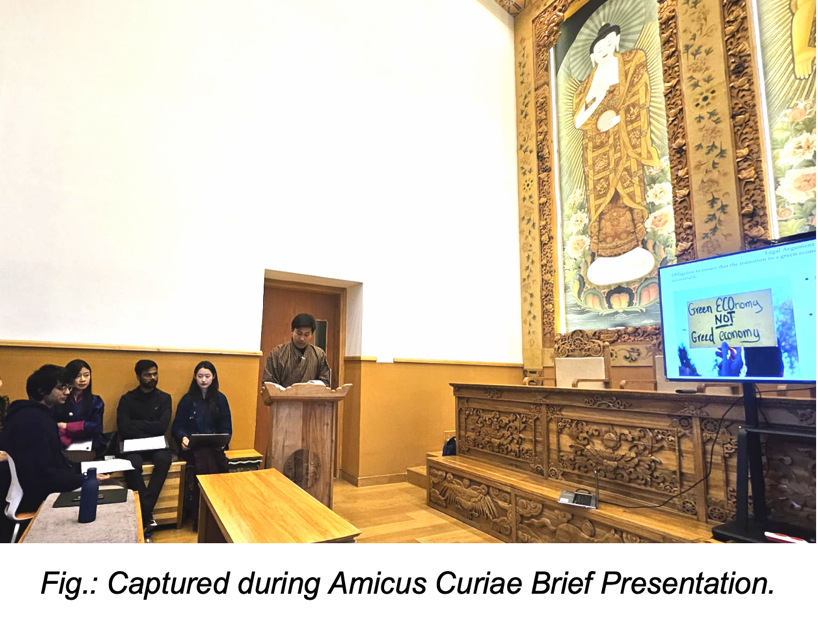
The First Climate Law Cohort at JSW Law Takes Bhutan’s voice to the African Court
The Jigme Singye Wangchuck School of Law has filed a submission as amicus curiae before the African Court on[…]
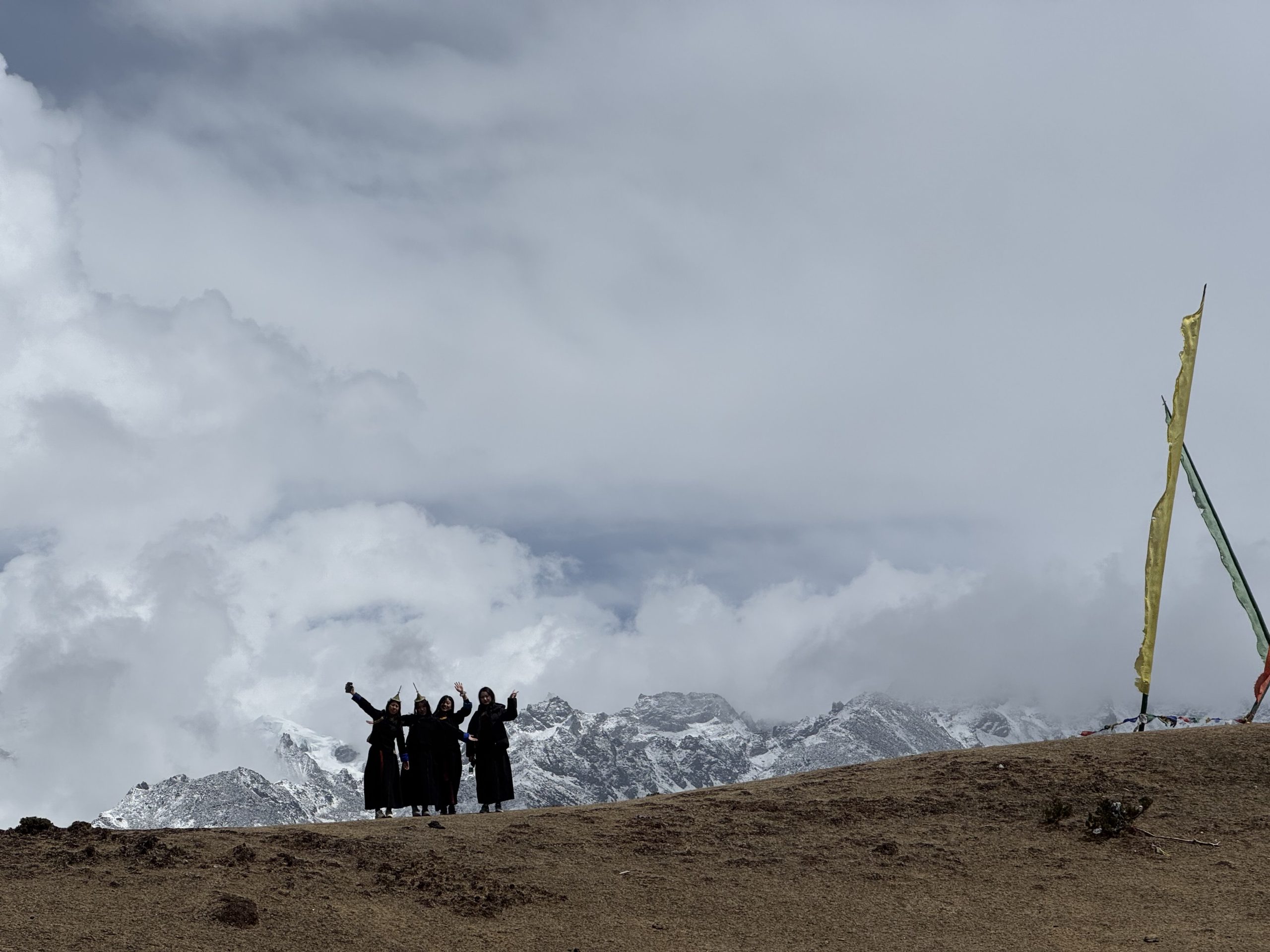
Fieldwork in the Highlands
Mid-March the Centre’s Graduate students, along with the Environmental Law Clinic students traveled to Laya for data collection as[…]
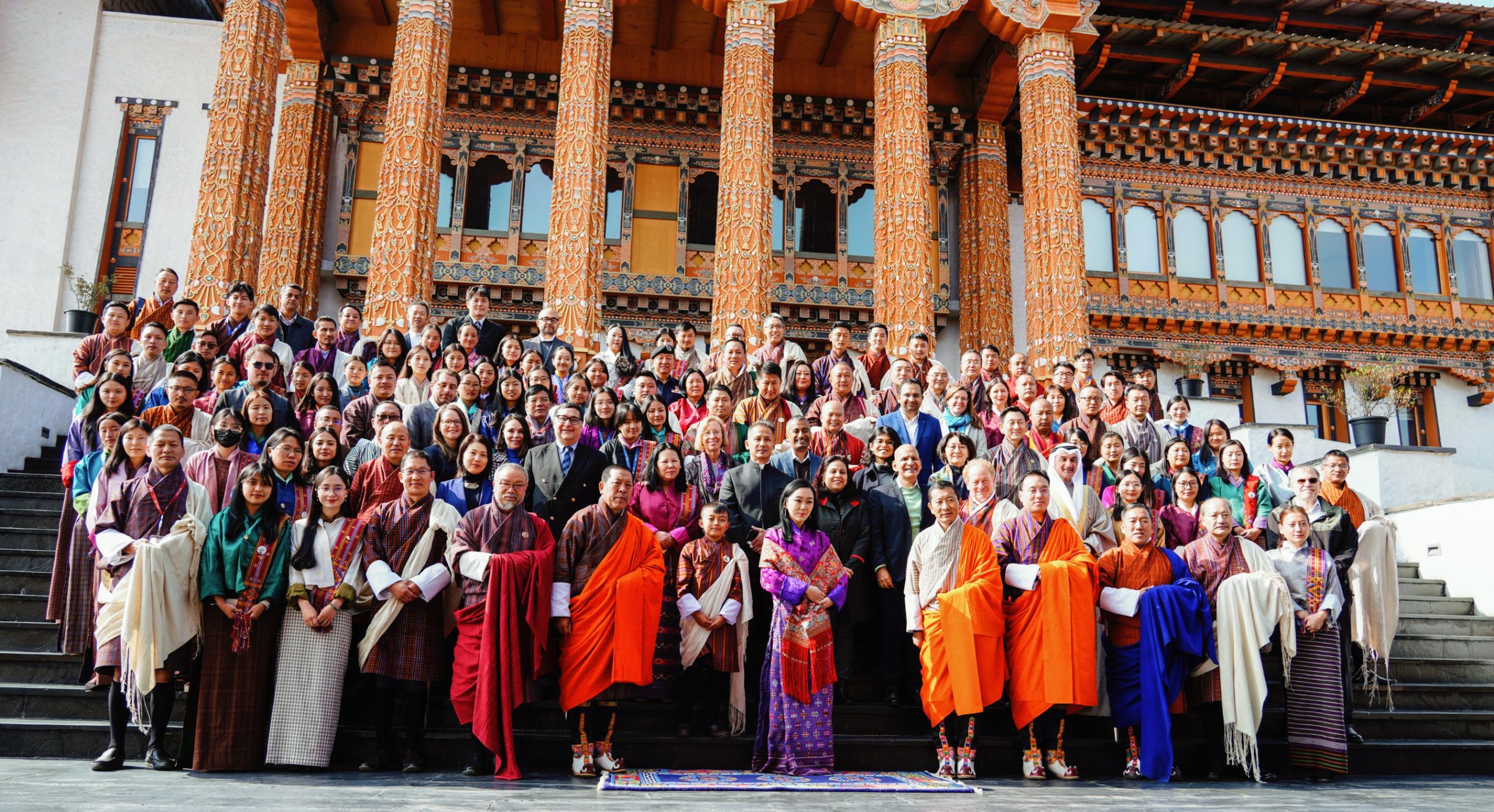
Paro Forum 2025: Bridging Knowledge to Action
The Paro Forum 2025, hosted by the JSW Law Climate Change & Environmental Law Centre, is bringing together experts[…]
See our Latest Photos
Explore our research and conference images.
Find out about our next event
Be a part of the solution for sustainable development.
Photo Gallery